
2019
First intervention

205.200
People reached

11
Projects implemented

3.726.363€
Budget spent
Context
The humanitarian crisis in Burkina Faso continues to heavily impact civilians. In the country, 5.9 million people require humanitarian assistance, representing 25% of the population. The protracted security crisis, along with climate shocks like the risk of drought and flooding, has heightened vulnerabilities, especially in hard-to-reach areas. In these areas, insecurity restricts movement. An estimated 1.1 million people live in these hard-to-reach areas, with some enduring these conditions for over two years. These populations are relying only on humanitarian assistance.
Protection of Civilians (PoC) is more concerning than ever. Violence against women and girls has also intensified. Women and girls face a high risk of protection incidents while searching for water, food, and firewood, underscoring how the lack of access to life-saving assistance and basic social services exacerbates protection risks for vulnerable people.
Despite worsening humanitarian conditions in Burkina Faso, funding has dropped sharply since 2020. The UN Office for the Coordination of Humanitarian Aid (OCHA) humanitarian response plan was allocated $316.1 million in 2020, nearly 75% of its funding needs, compared to only $148 million in 2024 – only 16% of Burkina Faso’s growing humanitarian aid needs.



INTERSOS’ intervention
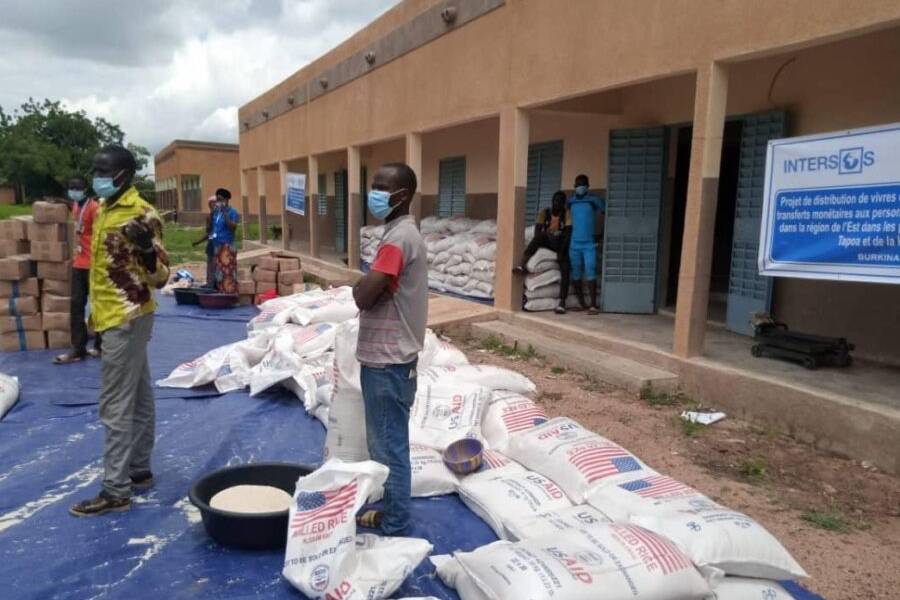
In 2024, the projects implemented supported internally displaced persons (IDPs), vulnerable host communities, and people with specific needs, adopting integrated approaches focused on protection, health, nutrition, education in emergencies, and local capacity building.
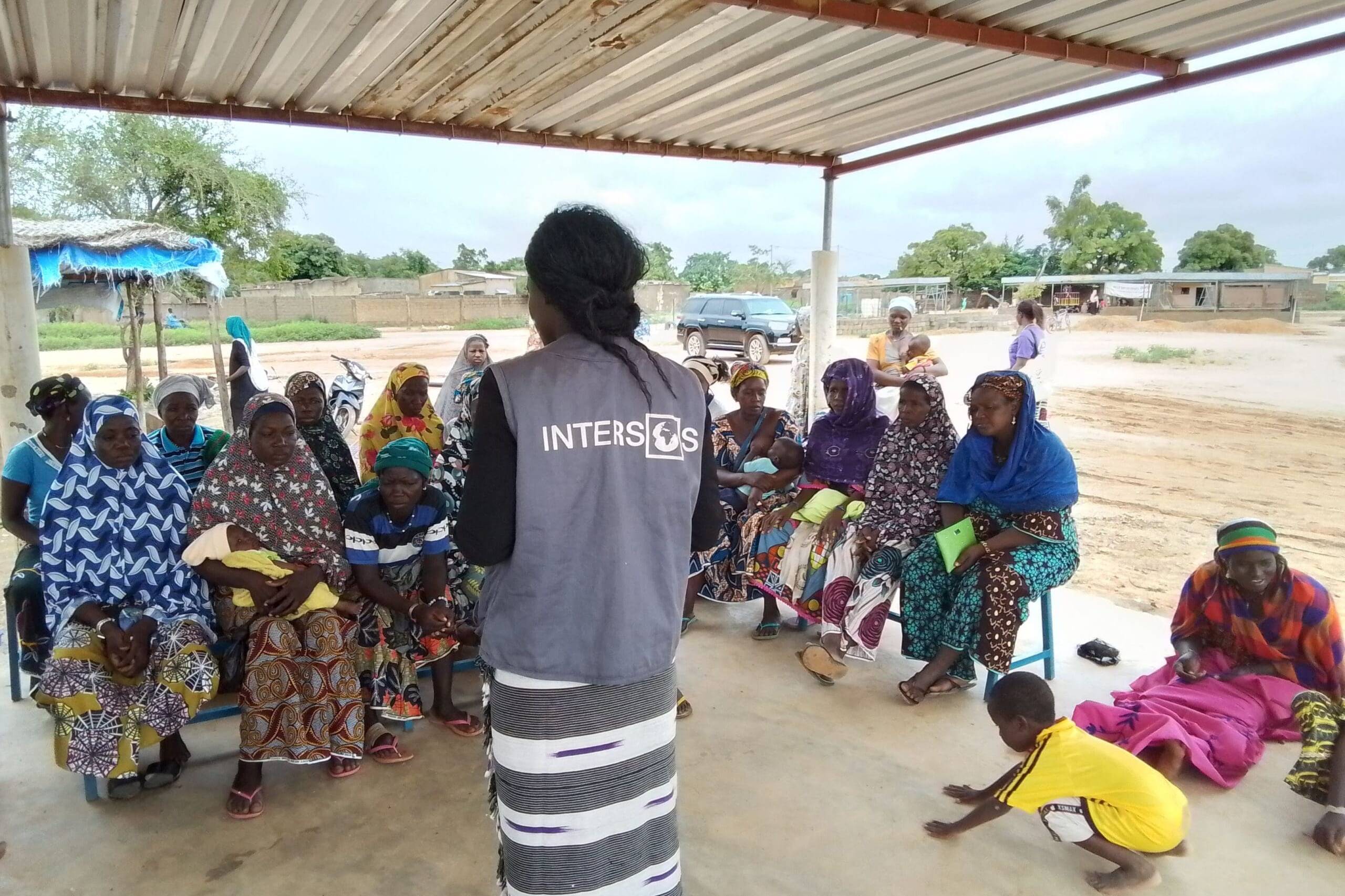
In the health sector, we strengthen local health centers by providing essential medicines and operational support, ensuring access to free healthcare for displaced persons. We offer psychosocial support to women and children who are survivors of violence, train local operators, and create safe spaces for listening and protection. This ensures that populations affected by the humanitarian crisis have access to primary, curative, and preventive healthcare, as well as quality nutritional management, with a focus on children aged 6-59 months, both through admission at health centers and home-based care using the Mid-Upper Arm Circumference (MUAC) approach.
In education, we support the reopening of closed schools and contribute to improving schools affected by displacement through the construction and rehabilitation of boreholes and latrines in schools. We also provide hygiene and menstrual management kits to vulnerable girls to keep them in school, and train teachers and students on promoting hygiene and sanitation in the school environment.
Finally, in the protection sector, we provide awareness sessions for men and women, boys and girls on various protection topics. These include the right to information and available services, violence against children, the importance of having a birth certificate, social cohesion, and community conflict management.