



In Afghanistan, half the population needs humanitarian aid to survive. Zarlasht, a 45-year-old woman living on the outskirts of Kabul, shares her story and the help she receives thanks to INTERSOS and AICS.
She wakes up before sunrise, does her housework and brings water far from her home. The brave Zarlasht, who is 45 years old, is the breadwinner and head of the family of 7, lives in a district of Kabul lying among twists and turns mountains.
More than four decades of conflict in Afghanistan have left many families with old photographs hanging on their walls, memorializing loved ones lost. From fragments of explosive mortars to hidden roadside mines, countless lives have been forever changed by unexploded remnants of war. These invisible scars have transformed everyday lives, as many fathers, while simply seeking work to support their families, have tragically lost their lives unexpectedly after encountering roadside mines, leaving their loved ones to navigate life without them like Zarlasht.
Despite tears in her eyes, she said, “It’s been 25 years since our home lost its head,” having only her son and daughter left. This was just the beginning of her struggles, as she fought for survival not only for herself but also for her children until they grew up. Her son, working about 70 km away in Kabul, visits once a month, while her groom is a daily-wage farmer nearby. Zarlasht bakes bread for neighbors, earning 30 to 40 AFN (about $0.42 to $0.57) per Tandoor, but all his son’s earnings go toward the treatment of his son, who has a hole in his liver.
Just a five minute walk from Zarlasht’s home, there is the INTERSOS clinic, which offers essential health, nutrition, and well-being support to the village residents.
“This clinic means a lot to us,” said Zarlasht. “Thanks to it, I was able to treat my grandson for malnutrition, and now he is only battling a liver issue.”
During the winter months, the roads leading to the village are often completely blocked. The only access route crosses flood-prone areas, which become impassable after heavy rains. Zarlasht shared, “This clinic is like our safe haven. The staff here are like family to us, and we don’t see them as outsiders—they’re part of our community.”
Under the AICS funded project, INTERSOS distributed cash assistance three times to support 83 of the most vulnerable families in the village, providing them with vital financial relief. Through this program, INTERSOS also distributed cash assistance to a total of 240 families across three rounds in the most vulnerable districts, with each family receiving 5,800 AFN. Additionally, 195 winterization kits were distributed across three villages in Kabul, including Zarlasht’s village, to help families prepare for harsh winter conditions. These efforts aim to improve living conditions and ease the hardships faced by the community, helping to mitigate some of the challenges they encounter daily.
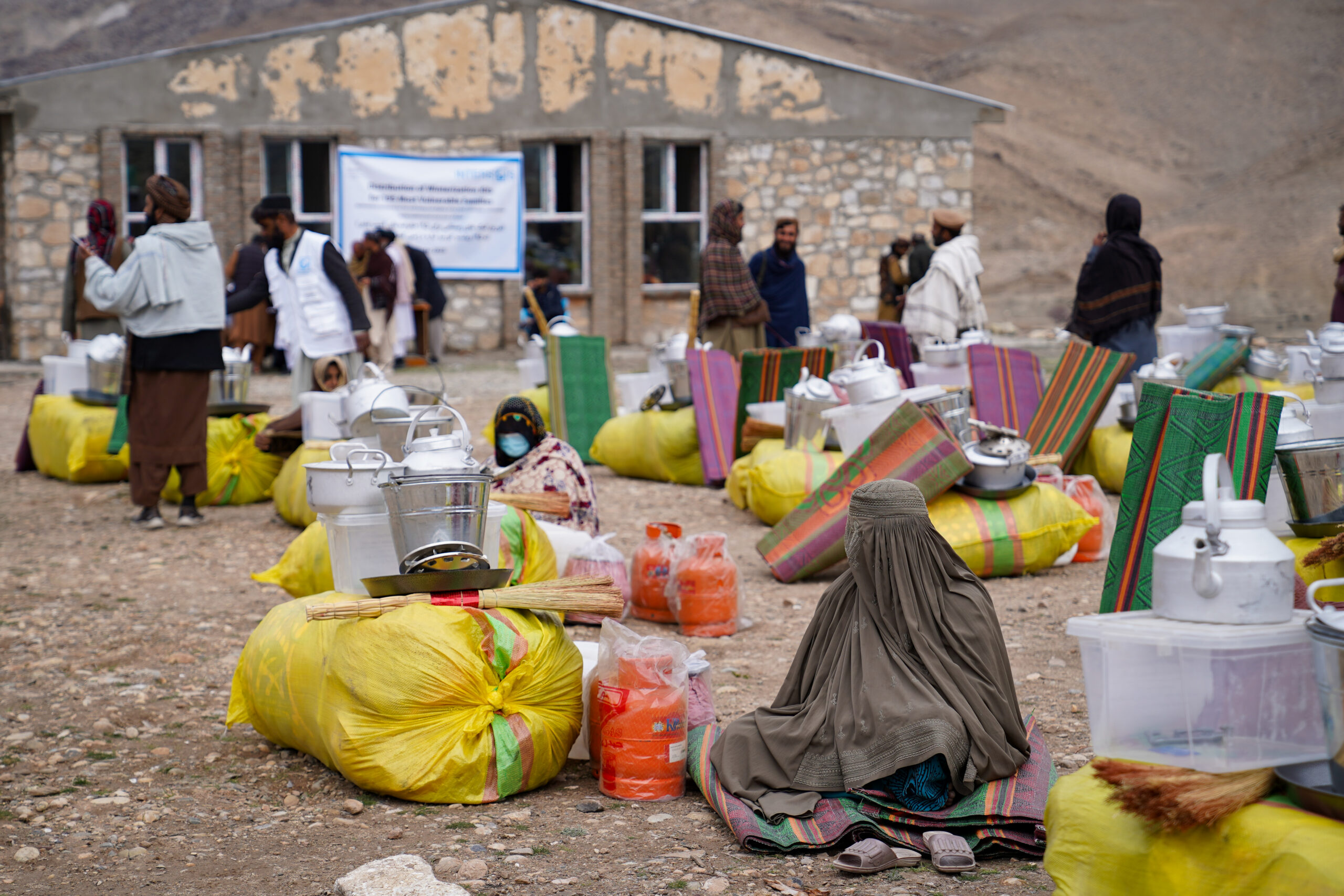
Thanks to the support from AICS, Zarlasht was able to take her grandson to a hospital in the city and ensure he received the necessary medical treatment. With the financial assistance provided, she was able to purchase vital medicines, and her grandson’s condition has improved significantly. While he still requires ongoing care, her worries have eased knowing he is on the path to recovery.
Zarlasht expressed happiness and thanks to INTERSOS, emphasizing how crucial this assistance was for her family’s well-being. The project not only brought immediate relief but also offered hope for a healthier future for her grandson and the entire community. This success highlights how targeted aid can transform lives, helping vulnerable families overcome hardships and build resilience amidst ongoing challenges.