



Afghanistan, the many crises that make up the humanitarian disaster
In recent years, Afghanistan has been facing a period of increasing hardship, with multiple crises piling up on top of each other, creating a complex intertwining of humanitarian and social problems.
The country, already exhausted by decades of war and then, since 2021, with the return to power of the Taliban, brought to its knees by international isolation, drastic cutbacks in development funds and sanctions, and the shrinking space of civil rights especially to the detriment of women, has been facing a succession of emergencies in recent months that add up day by day.
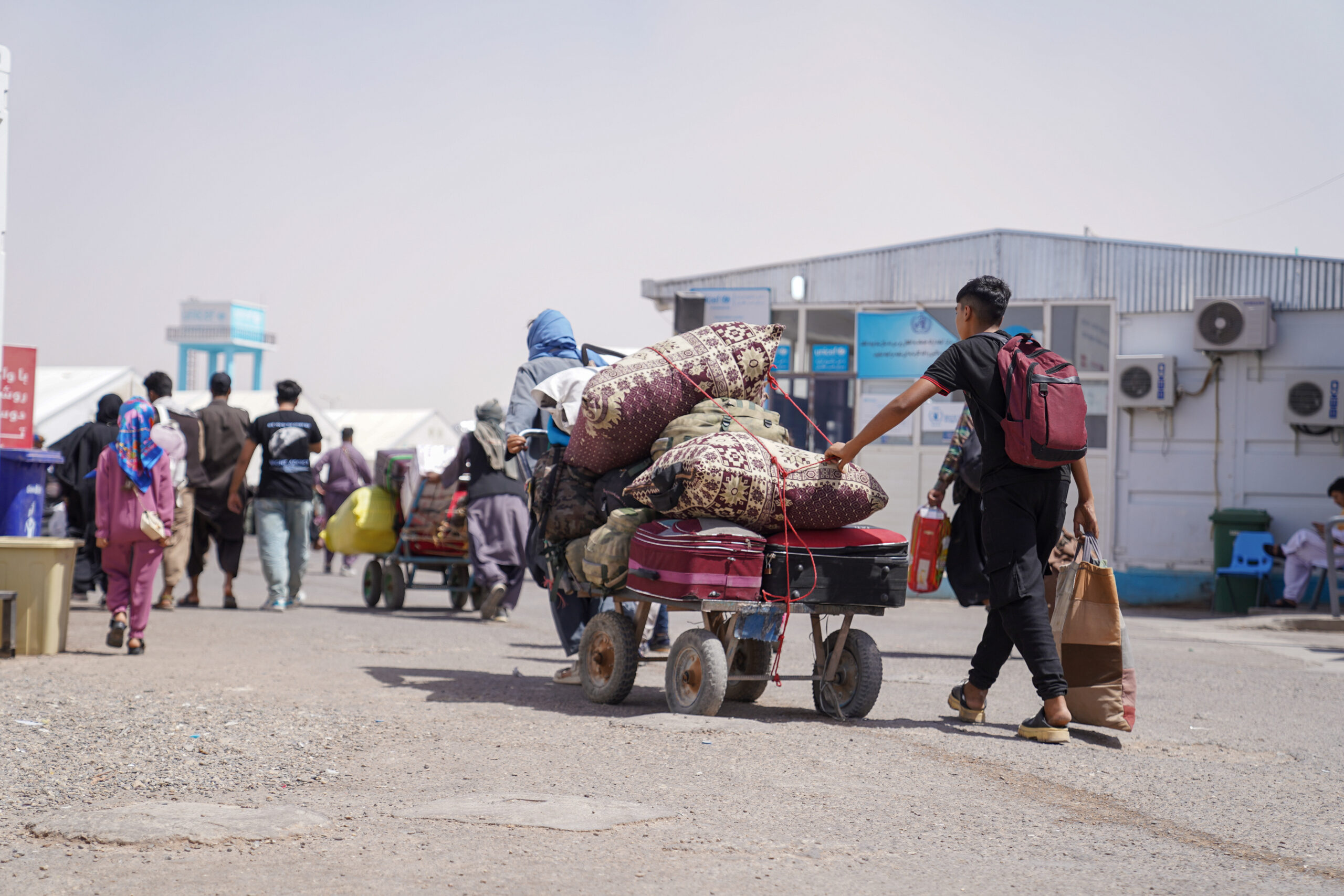
Among these are the forced returns of Afghan refugees from Pakistan and Iran, mass expulsions that have poured thousands of people to the borders in extremely vulnerable conditions, often after suffering violence and confiscation of property; whole families, with young children and the elderly in tow, who suddenly find themselves having to start all over again in a country where they have nothing left, which they often do not even know, and where it will be extremely difficult to rebuild a decent life.
Afghanistan is not prepared to handle these returns: in total, from January 2025 to the present, an estimated 2,550,000 Afghans, of these nearly 2,000,000 from Iran and over 530,000 from Pakistan.
INTERSOS, like other international humanitarian organisations, has intervened to address these waves of repatriations. However, the severe funding shortfalls, especially after the U.S. funding cut earlier this year and the reduction of funds from other donors, have made it difficult to respond to this and other emergencies.
As if the repatriation-related crisis were not already enough, a series of devastating earthquakes struck several provinces in the northeastern part of the country a few weeks ago, with Kunar province suffering the hardest blow. The first estimates indicate more than 2,200 lives lost and more than 3,600 injured, with entire villages reduced to rubble and many communities left isolated due to landslides and blocked roads. An event which is not uncommon in Afghanistan where climate change, constantly exposes the land to natural hazards and shocks, such as earthquakes, floods, droughts and extreme weather events. The winter season, moreover, like every year, will only worsen the situation by pushing populations to the limit of their ability to survive.
Effects of crises: 23 million people need humanitarian assistance to survive
Afghanistan has been facing a severe and persistent humanitarian crisis for decades now.
The key to understanding the complexity of the humanitarian crisis in Afghanistan is to understand how the needs in the country touch virtually every area of humanitarian-level intervention. From access to water to food security, from health to education, from the need for shelter to the protection of the vulnerable. Concretely, it is 23.7 million -according to the United Nations data– people who require humanitarian assistance to survive, this is about half of the population.
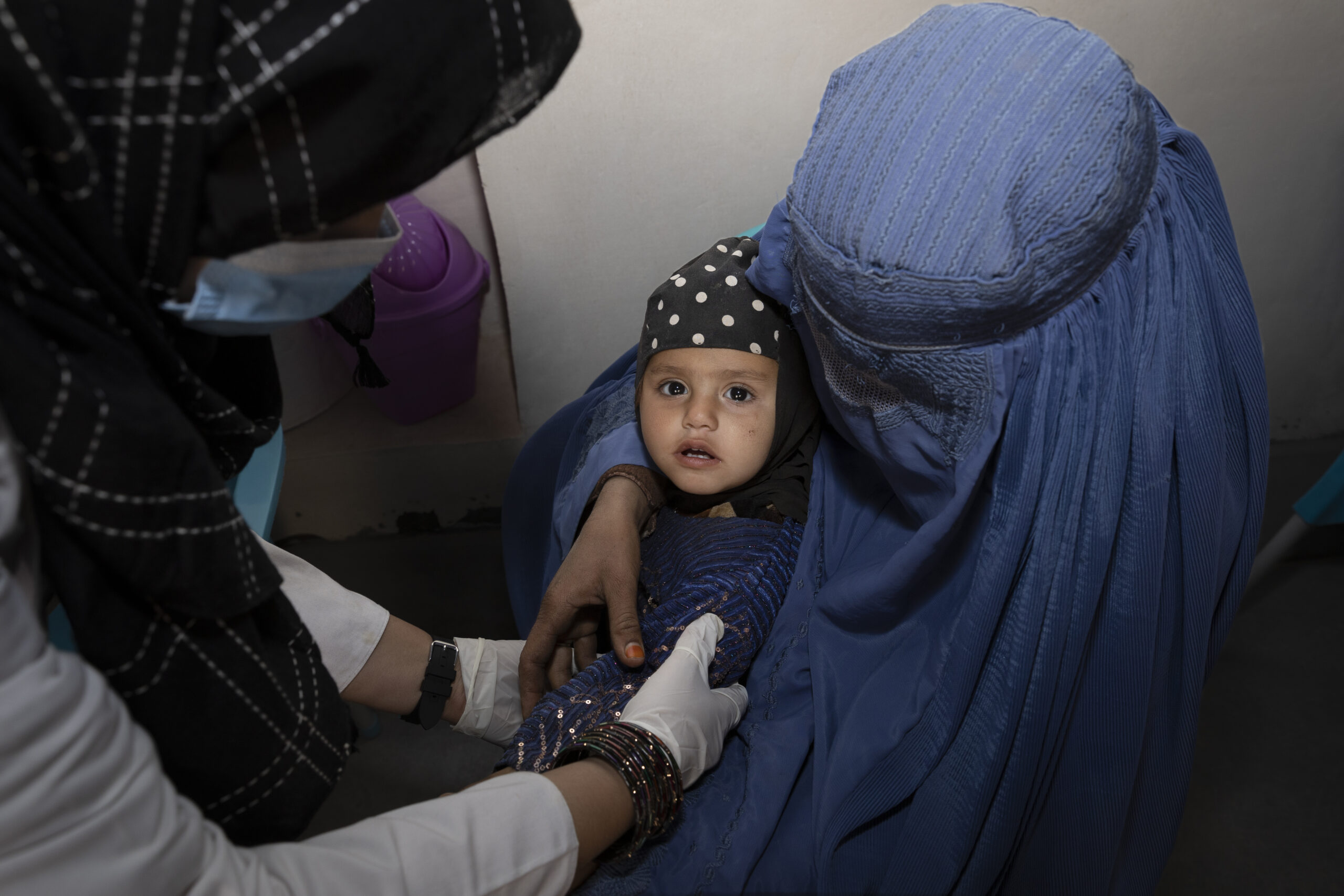
Of these – according to the IPC – Integrated Food Security Phase Classification, which outlines food insecurity in five distinct stages (minimal/none, stressed, crisis, emergency, disaster/hunger)- an estimated 9.5 million people (21 percent of the total population of 46 million) will face high levels of acute food insecurity (stage 3, crisis or higher) by October 2025. In fact, malnutrition is among the major problems our medical staff in the field face every day and remains among the leading causes of death among children under the age of 5.
Other urgent health-related needs include the need for primary care, immunisation, medicines and support for mental health problems. At the same time, the lack of health personnel, scarcity of funds and restrictions imposed by the authorities make the ability of humanitarian organisations to reach people in need extremely limited.
Isolation, lack of services, malnutrition: the situation in remote areas
Seventy percent of Afghanistan’s population lives in remote areas of the country, in villages far from urban centers and often extremely isolated due to poor infrastructure and lack of paved roads.
This is where most of INTERSOS’ activities are focused: our health workers provide basic medical care, nutritional screening and psycho-social support in settings where, if we were not there, communities would have no access to any services within many tens of kilometers. Our clinics are in the remotest areas of Kabul and Kandahar provinces and in remote mountainous areas in the south of the country, such as Uruzgan province, where, starting from the main urban center, it takes hours of driving on dirt roads to reach the villages.
In Uruzgan, as is the case in other remote and rural areas, there are very few job opportunities and most families are unable to generate enough income to cover basic needs. So many struggle to put together one meal a day. Many of these communities depend almost exclusively on subsistence agriculture. But the land does not always give what is needed to survive: all it takes is a drought or a flood to put entire crops at risk or a livestock disease to disrupt the very survival of families.
These are increasingly common occurrences in Afghanistan: natural disasters affect hundreds of thousands of people and drive as many to move elsewhere. In 2024, all 34 provinces in the country were affected by at least one of these events: earthquakes, floods, droughts, heavy snowfall, landslides, and avalanches.
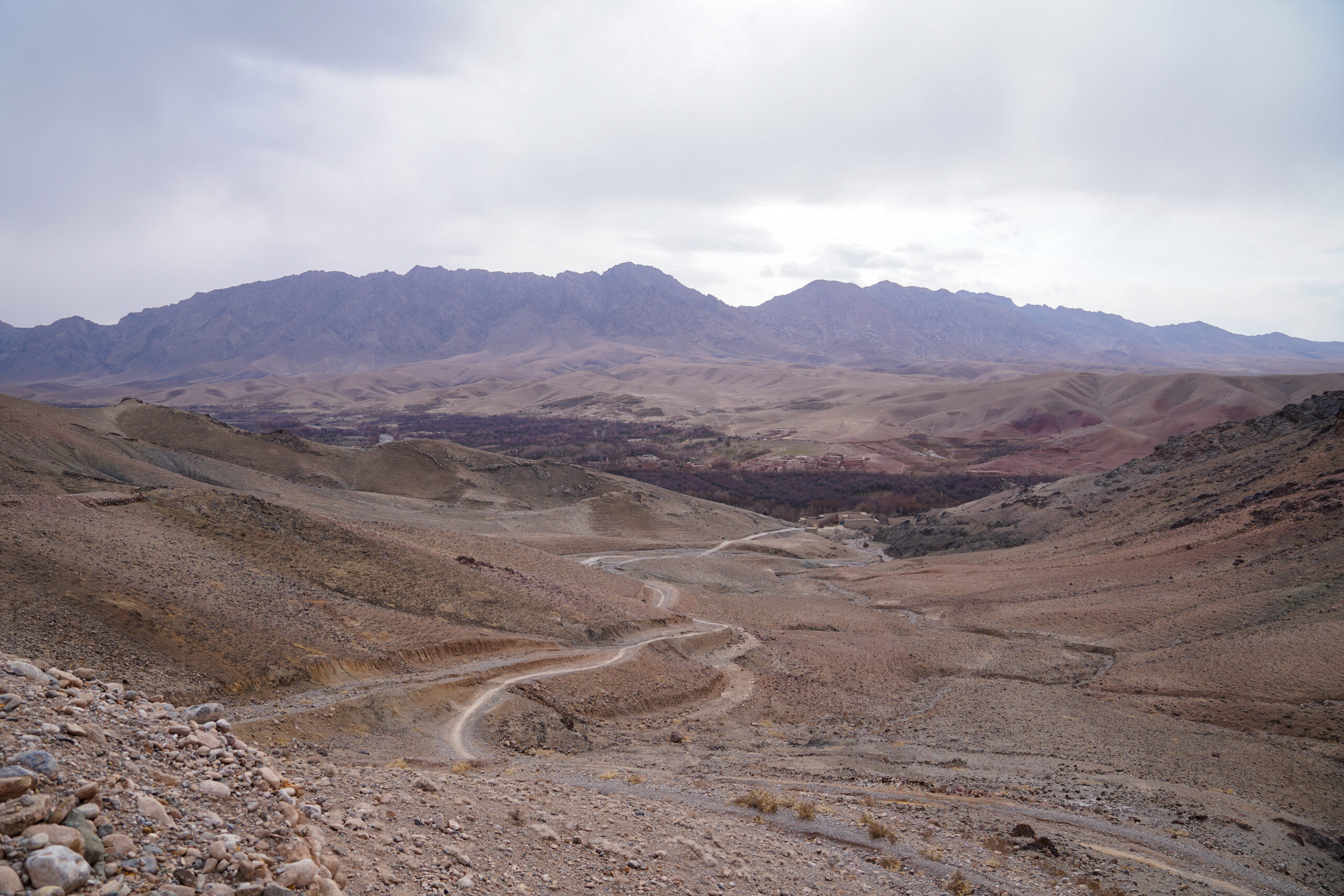
In addition to food shortages, families face an almost total absence of basic services. In many areas – the so-called “white areas”- there are no sanitary facilities, drinking water and adequate toilets. This increases the risk of disease and malnutrition, particularly among children, who make up half the population, and pregnant and lactating women.
And these are precisely the people we care for every day in our health care facilities. These are people with extremely limited resources who live in remote areas, often in the mountains. Children, especially under 5 years of age, and malnourished pregnant women; women with at-risk pregnancies; children dehydrated due to acute dysentery; children with common infectious diseases such as measles or suffering from seasonal diseases such as dengue, Congo-Crimea hemorrhagic fever, or polio. To date, Afghanistan is the only country in the world along with Pakistan where there are still cases of polio, especially in children, a worrying factor considering that the disease is preventable with a simple vaccine. Many are the people, also, who arrive with mental health-related needs suffering from anxiety, depression, trauma and chronic stress and need specific psychosocial support pathways.
These problems are even more acute for groups of already marginalised women, such as refugees, displaced persons, migrants and sex workers, who face additional difficulties in accessing adequate care, protection and support.
Improved access to health services for children can significantly reduce child mortality and morbidity, preventing and treating diseases such as pneumonia, diarrhoea, malaria, and birth-related complications, which are the leading causes of child death. Thanks to adequate neonatal care, vaccinations, proper nutrition, appropriate hygiene practices, and timely access to pediatric medicines, children’s health can be significantly improved.
U.S. funding cut: the rapidly deteriorating humanitarian situation
The United States was, as of 2013, the largest donor in the country and in 2024 had funded 47 percent of the total funds requested in the appeal launched annually by the United Nations to meet the country’s humanitarian needs. Therefore, the effect of the cuts sought by the U.S. government this year has been devastating.
Speaking of the health sector, as of February 2025, 422 clinics across the country have been closed, with a devastating impact on more than 3 million people who have lost access to basic medical care. There are also 305 malnutrition treatment centers that remained closed after the cuts (of these then, fortunately, 102 centers reopened thanks to the intervention of other donors). The World Food Programme in Afghanistan -a country with 3.5 million children suffering from acute malnutrition- has had to reduce its programme by 60 percent, leaving 1.2 million children untreated. A gap of more than $145 million needed to meet food needs is expected for the second half of the year, and the impact of this will hit the population hardest in the winter season, which is the most difficult season to cope with.
In addition, the operations of 218 facilities that were working on gender-based violence prevention and response were disrupted, leaving more than 1 million people, especially vulnerable women and girls, without the support they need.
INTERSOS in Afghanistan was forced to stop activities in 8 facilities that provided health, nutrition, psychosocial care and income-generating activities for vulnerable people. More than 123,000 people were left without assistance. Fortunately, for 5 of these clinics -four in Kandahar and one in Kabul- we were able to mobilise resources from other donors that enabled us to ensure that services could resume.
Appeal to the international community: Afghanistan should not be left alone
However, it is not only the drastic cuts recently desired by the U.S. administration that are the problem. Other countries have also progressively reduced funding for Afghanistan by entrenching themselves behind not wanting to grant any authority to its current de facto government and avoiding any kind of funding that would strengthen it.
Isolation and reduced assistance, in addition to reducing the activities of humanitarian organisations and limiting aid for the population, also fuel the risk that the most vulnerable segments of the population will resort even more to harmful survival strategies, such as the sale of essential goods, child labor, and early marriage, which are precisely the practices that have been tried for years to prevent and reduce. Should this trend continue, the humanitarian and social impacts would be dramatic and risk undoing the fragile progress achieved so far.
The growing disengagement of the international community with respect to humanitarian support -in Afghanistan as elsewhere- is an alarming sign. Should this global trend consolidate, the risk is that we will face deeper and deeper crises, forgotten and unanswered.
We remain in Afghanistan to continue assisting the people and call on the international community not to turn its back on the country.
The European Union currently funds 11 of our health facilities in Afghanistan: these are clinics located in the south of the country, in remote areas of Uruzgan and Kandahar provinces where there are hard-to-reach villages, often hidden in the mountains, where even basic services are lacking. Our activities in these health facilities focus on malnutrition, maternal and child health, vaccinations, but also on humanitarian protection and mental health therefore with psychological and psychosocial assistance activities especially aimed at women and children living in particularly vulnerable communities.
The European Union is also funding our interventions in response to the crisis of the returnees from Iran: we work in informal settlements (so-called post arrival services) where returnees from Iran arrive after passing through transit centers in the Herat and Nimroz areas. Here -where there is currently the biggest gap in terms of assistance- we have been providing, since the end of August, health care, with activities related to nutrition, maternal and child health, mental health and humanitarian protection.
Also funded by the European Union are the activities we carry out in the Kandahar transit center where we assist the Afghans returning from Pakistan.