



On average, every Afghan family lives with at least 7 family members but for Morsal, it is almost doubled. Morsal lives in Kamari, a rural area of Kabul, near one of the INTERSOS Health Facilities. Like most villagers in her community, her family faces significant economic challenges. She is living with her seven children, husband and her husband’s siblings with one breadwinner in the family with a total earning of 2000 AFN (~ 26 USD) per month.
In Afghanistan, a staggering 22.9 million people, including 25% women and 53% children, will require humanitarian assistance in 2025, with a high demand for support in vital areas, 14 million people in need of health services and 7.8 million requiring nutrition support. The situation is dire, with many families struggling to access basic care. Through a partnership with the Afghanistan Humanitarian Fund (AHF), INTERSOS is working tirelessly to deliver vital health and nutrition assistance to the most vulnerable rural population.
“My husband used to work in a stone mine, earning a daily wage of 150 AFN (approximately $2.10), but his job is seasonal, and he is jobless during the winter,” said Morsal.
The sole breadwinner for the family is her husband’s brother, who works as a waiter in a hotel, earning a monthly salary of 2,000 AFN (approximately 26 USD). Despite the limited income, the family manages to cope and relies heavily on his earnings.
Struggling with severe spinal issues, stomach pain, and migraines—conditions she attributes to years of physically demanding work and the stress of providing for her children in such challenging circumstances Morsal carried the weight of her family’s struggles. The harsh winter months even worsen her health condition:
“My sons collect trash, garbage, and hay for our warmth, but we can only manage to keep our feet warm under a blanket while burning hay. We cannot afford to heat our home” she added.
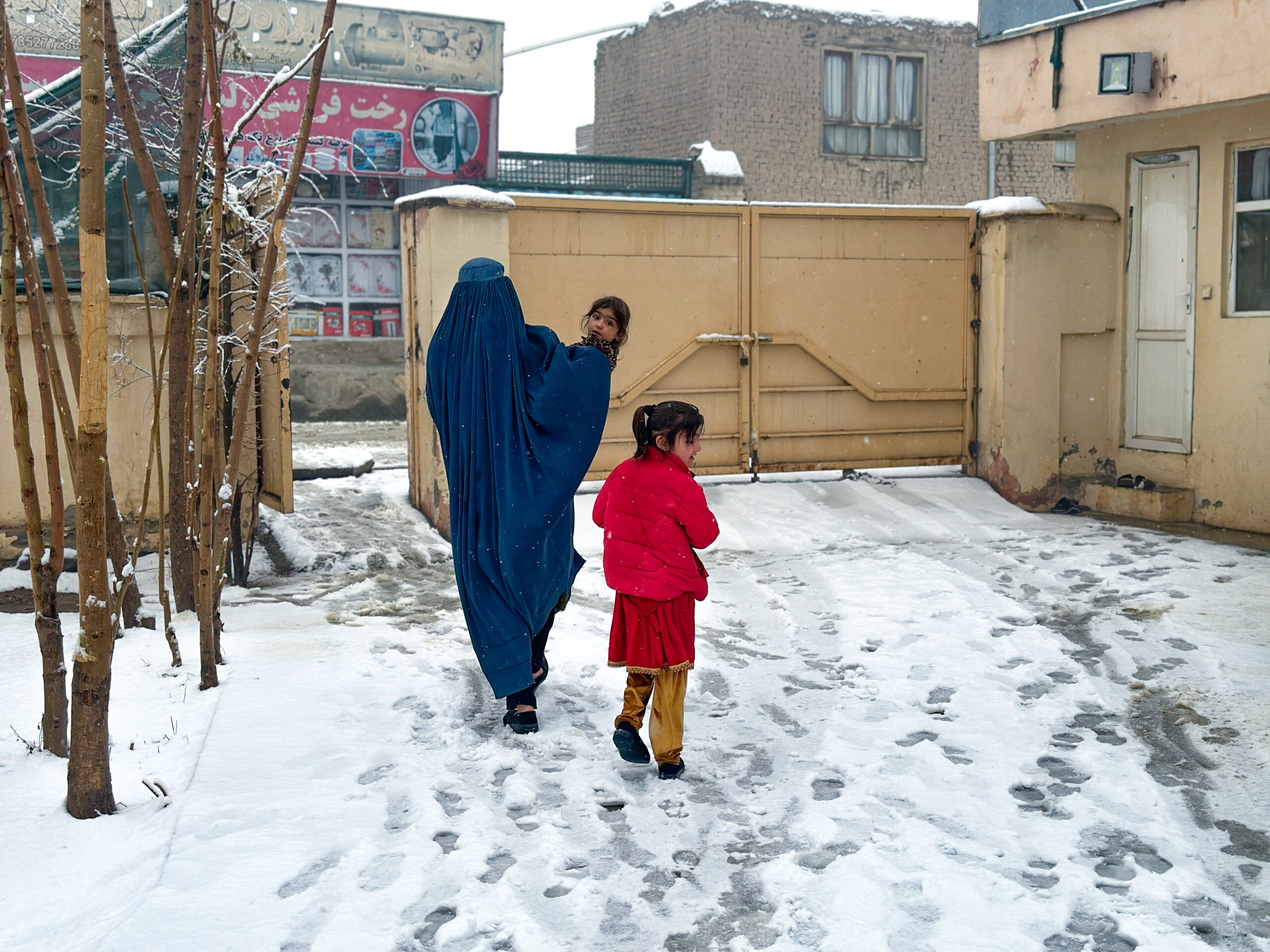
Access to healthcare is particularly difficult, as the nearest alternative is far away, making the INTERSOS facility a vital resource for families like hers. She frequently visits the facility to seek care for herself and her children and to access essential medicines and well-being support.
Morsal added “To me, this health facility is an integral part of my life. Beyond the medical treatments and medication, we receive, the well-being support and consultations have significantly transformed my life for the better.”
Thanks to the support of the Afghanistan Humanitarian Fund (AHF), INTERSOS is able to ensure access to healthcare to over a hundred thousand individuals, addressing the needs of those who previously faced significant barriers to medical care amid challenging economic conditions. In the midst of their difficult circumstances, these health facilities stand as beacons of hope, providing critical support to individuals who have no other options. They offer a vital lifeline to those in desperate need of assistance, helping to restore a sense of dignity and well-being in their lives.
The impact of these facilities on the lives of the most vulnerable people has been significant. They reduced the burden of transportation costs, eliminated doctor fees, and reduced the time and distance required to access care, all critical factors, especially in emergencies where time is of the essence. By providing immediate healthcare access, these vital facilities are essential in saving lives and fostering well-being within the community.