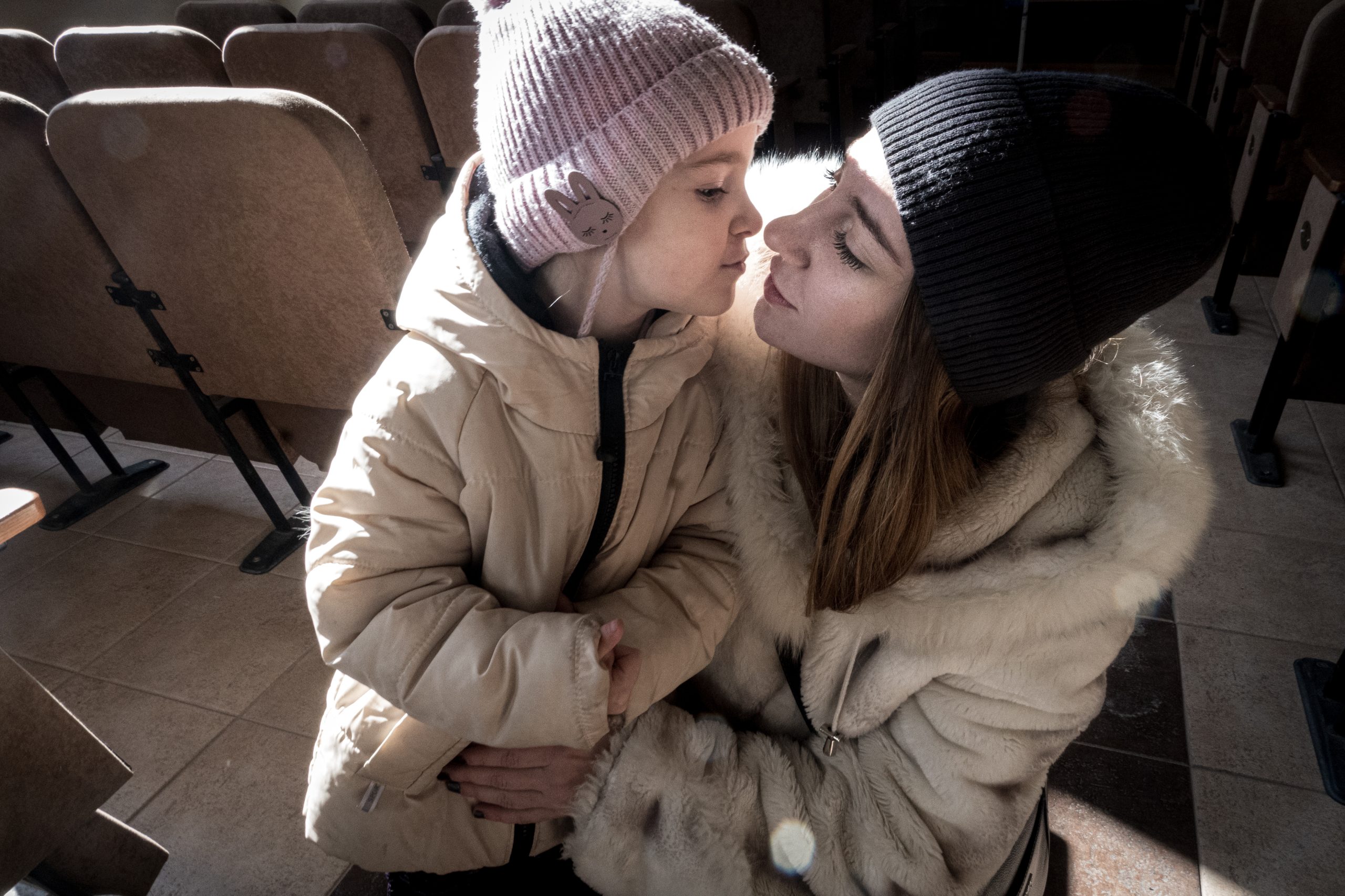
Sexual and reproductive health is a critical factor in the survival of women of reproductive age, representing the leading cause of mortality worldwide. Global experiences show that progress is possible and that many maternal and neonatal deaths can be prevented. However, this requires tangible and sustained investments in the health and well-being of women. This year’s World Health Day focuses on this fundamental aspect of global health.
Since 2016, global progress in reducing maternal and child mortality has stagnated. Every year, 287,000 women die during pregnancy or childbirth, 1.9 million children die before birth, and more than 2 million children die within the first month of life. That’s roughly one avoidable death every seven seconds.
A significant portion of these deaths results from conditions that can be prevented or treated with simple and effective interventions. Ensuring that all women have access to quality care during pregnancy and after childbirth is crucial for safeguarding their health. Specifically, the presence of qualified healthcare personnel during childbirth can make the difference between life and death for both the mother and the newborn. Interventions such as regular prenatal check-ups, labour assistance, and postnatal care significantly reduce the risks associated with maternity.
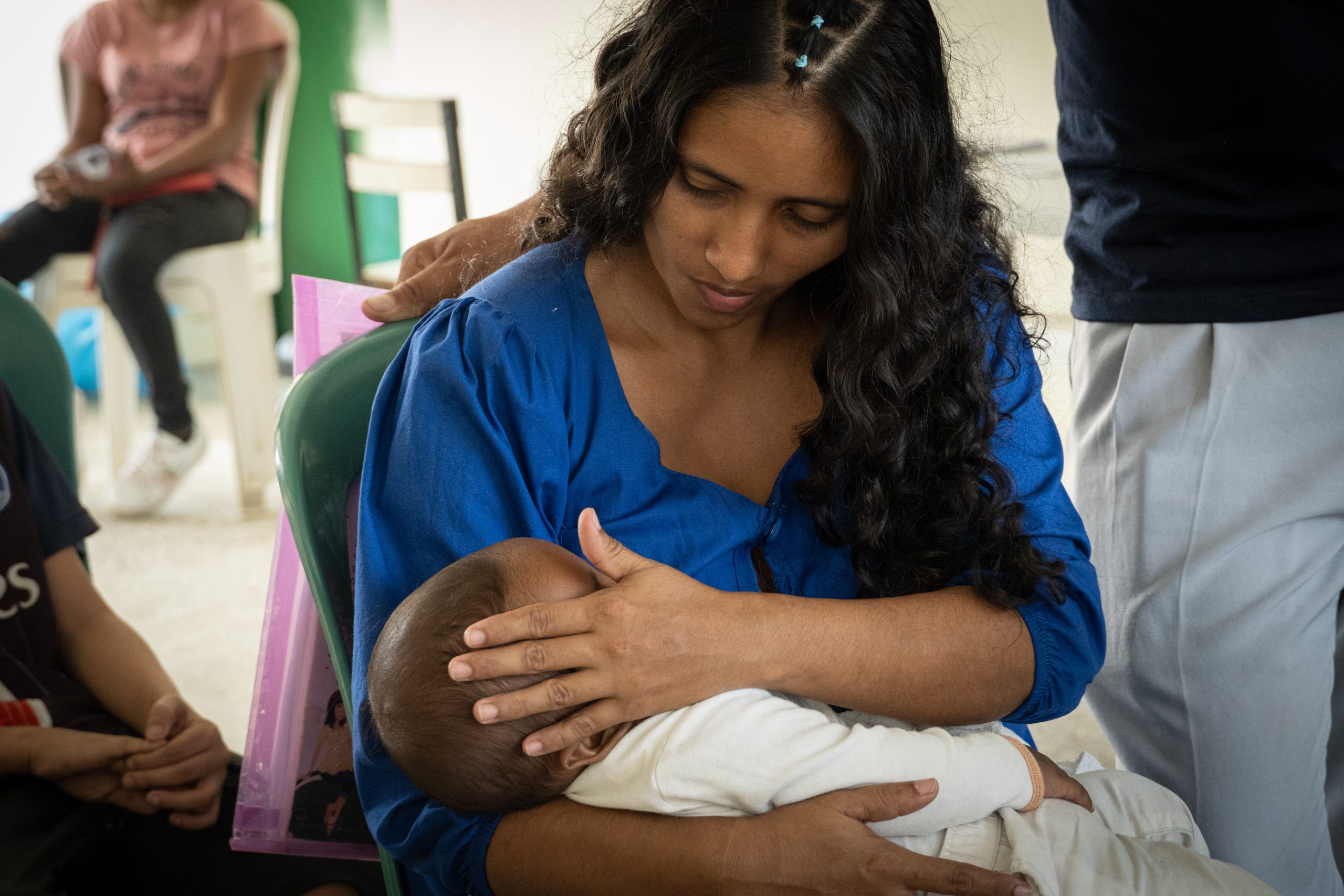
Many maternal deaths worldwide are caused by preventable complications: severe haemorrhage, hypertension, infections during pregnancy, unsafe abortions, and pre-existing health conditions. All of these can be diagnosed and treated on time with adequate sexual and reproductive health services. But the risks don’t stop at birth. In many parts of the world, especially in low- and middle-income countries, millions of women live without access to adequate healthcare, exposing them daily to silent yet devastating threats. The lack of access to prevention and diagnostic services makes them particularly vulnerable to sexually transmitted infections such as HIV, as well as other chronic diseases. Furthermore, gender-based and sexual violence remains a widespread, often silenced, reality that undermines the physical and mental health of many women.
Ensuring women’s access to sexual and reproductive health services is not only a medical issue: it is a matter of justice, equity, and human rights. It means giving them the opportunity to live a healthy, safe, and self-determined life, no matter where they are born.
These issues are even more pronounced for already marginalised groups of women, such as refugees, displaced persons, migrants, and sex workers, who face additional challenges in accessing adequate care, protection, and support.
Neonatal deaths account for almost 50% of all deaths among children under five globally. This translates to a loss of 2.4 million lives each year. Ensuring better access to healthcare for children is essential to significantly reduce infant mortality and morbidity. Diseases such as pneumonia, diarrhoea, malaria, and childbirth complications continue to be leading causes of death in the early years of life, despite being largely preventable or treatable with simple and accessible interventions. Appropriate neonatal care, full vaccinations, balanced nutrition, proper hygiene practices, and timely access to paediatric medicines can make the difference between a life saved and a life lost.
Investing in child health is not just about preventing disease; it is about laying the foundation for healthy, safe, and dignified development. Every child has the right to grow up in good health, and ensuring this right is one of the most urgent challenges in global public health.
INTERSOS Activities
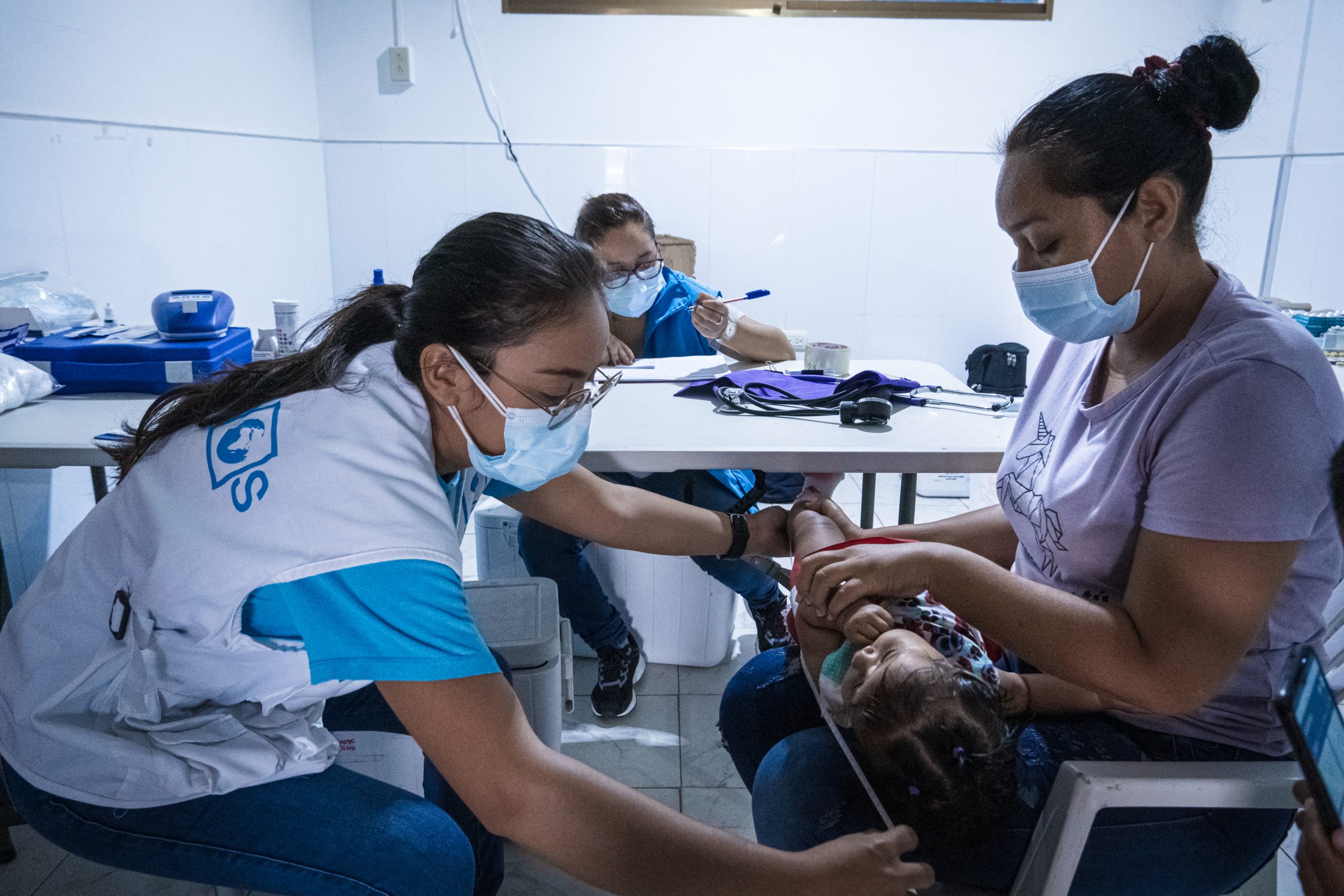
In the countries where we operate, we work every day to protect the health of women, girls, and children, directly addressing the main causes of maternal and neonatal mortality. Our commitment begins at the community level: we promote awareness-raising activities to increase understanding of health, prevention, and rights related to sexual and reproductive health.
We collaborate with local healthcare providers, institutions, and community networks to strengthen existing services, making them more accessible and inclusive. We support the training of medical and obstetric staff, contribute to improving healthcare facilities, and promote the dissemination of best practices for the prevention, early diagnosis, and treatment of the major diseases affecting mothers and newborns.
Ensuring adequate care during pregnancy, childbirth, and the postnatal period is not just a health issue: it is an act of social justice. This is why we work to ensure that every woman, regardless of where she lives, has access to safe, quality services, and that every child has the opportunity to begin their life in the best possible way.
World Health Day activities in the countries where we operate
In several countries where INTERSOS works, the month of April will be dedicated to raising awareness about maternal and child health with special information and awareness-raising activities.
In Moldova
for the month of April, we have launched a digital health promotion strategy designed to support women and families through their journey to parenthood, from conception to the early months of a newborn’s life. Through accessible and informative content, we aim to raise awareness about the importance of maternal and child health.
The topics covered range from medical check-ups and proper nutrition to physical and emotional well-being, safe childbirth, and child protection through the promotion of vaccinations and breastfeeding.
Alongside the digital component, we will hold at least six in-person sessions, providing a space for direct interaction with healthcare professionals, to deepen the topics covered online and respond to the specific needs of families.
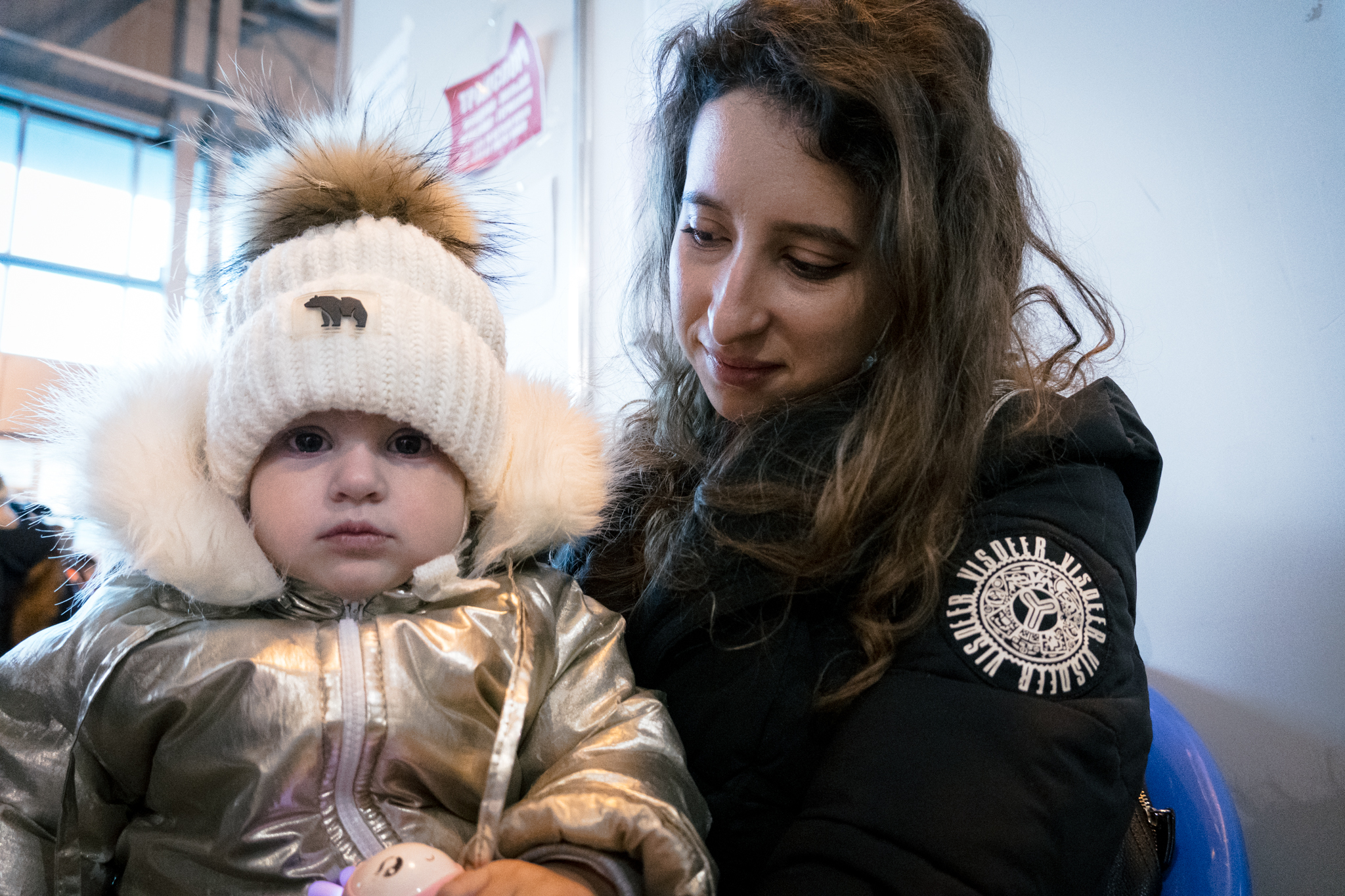
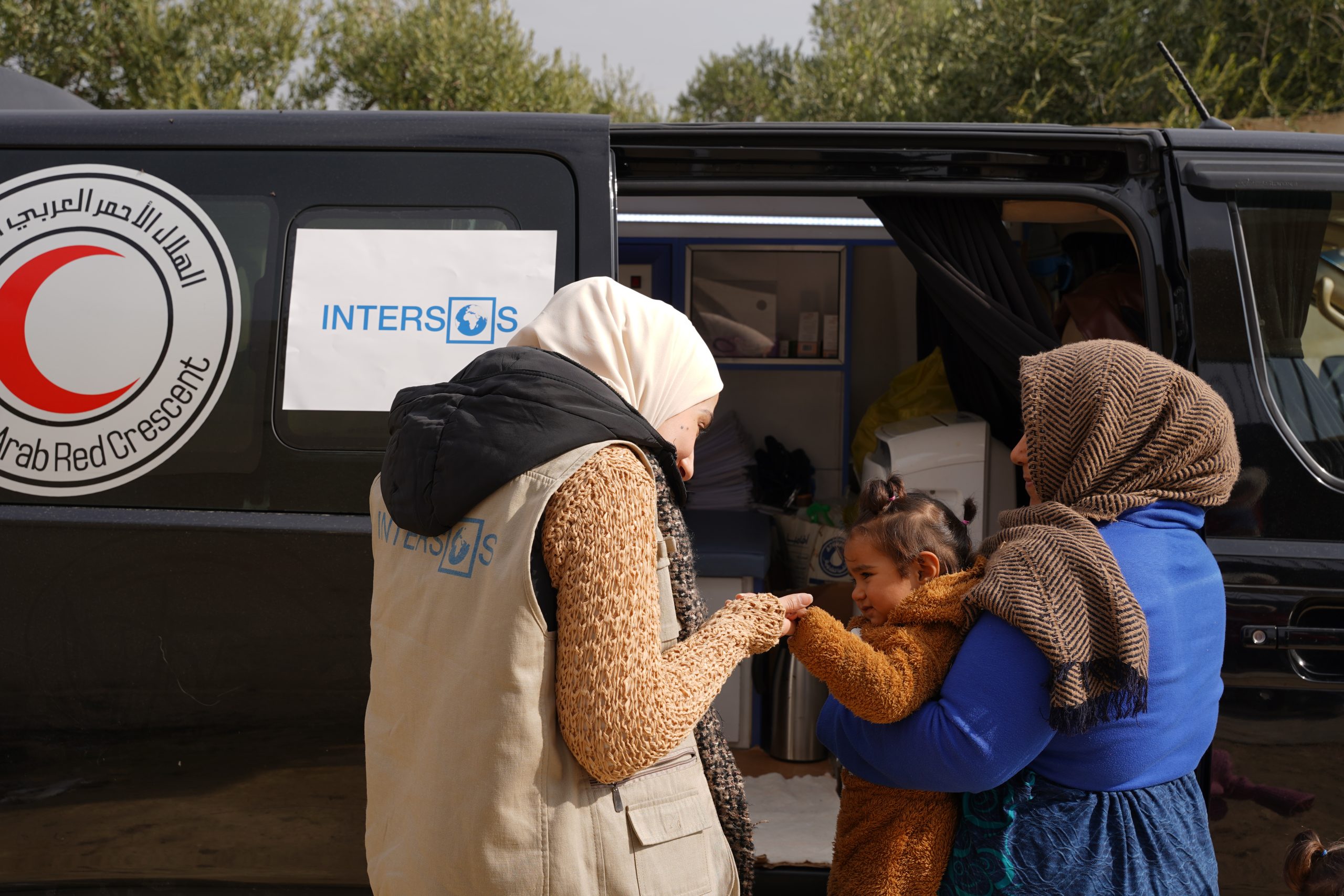
In Syria
our interventions included the distribution of kits for pregnant or breastfeeding women, accompanied by informational sessions on safe childbirth and breastfeeding. These awareness sessions were directly targeted at the kit beneficiaries, selected in collaboration with the Protection team to ensure focused support for the most vulnerable women.
At the same time, we promoted the training of local healthcare personnel on key aspects of maternal and child health. The courses covered important topics such as breast and cervical cancer prevention, family planning, prenatal and postnatal care, and newborn care.
Through an integrated approach that combines direct assistance, health education, and strengthening healthcare skills, we work to improve the health conditions of women and children, even in prolonged emergency settings.
In Venezuela
we are developing the Rutas de la Salud Materna y Neonatal (Maternal and Neonatal Health Routes), an innovative informational pathway designed to guide women through the various stages of maternity within healthcare centres: from pregnancy to childbirth and into the postnatal period.
These ‘routes’ will be displayed within healthcare facilities, with each stage featuring information stations dedicated to specific topics, such as prenatal visits, safe childbirth, breastfeeding, newborn care, and postnatal support.
Making the route even more meaningful will be firsthand testimonies from women who have already used the services: real stories that share challenges, fears, but also insights and triumphs. The aim is to create a welcoming and educational space that strengthens the connection between women and healthcare services, promoting trust, knowledge, and informed access to care.
In Ukraine
for the month of April, we have chosen to focus our activities on the postpartum experience, aiming to provide comprehensive support to new mothers and newborns. The transition into motherhood is a profound and transformative moment, but it can also come with physical, emotional, and psychological challenges. This is why we have adopted an integrated approach that takes into account the overall well-being of the woman.
We have involved a multidisciplinary team made up of nurses, health promoters, social workers, and psychologists to respond in a coordinated manner to the diverse needs of women during and after pregnancy. The team will offer support, guidance, and assistance from both a healthcare and psychosocial perspective.
To practically support mothers during this crucial period, dignity kits containing essential personal care items for daily well-being will also be distributed. A simple yet important gesture, aimed at ensuring women feel supported, respected, and not alone.