



PROJECT CYCLE
MANAGEMENT
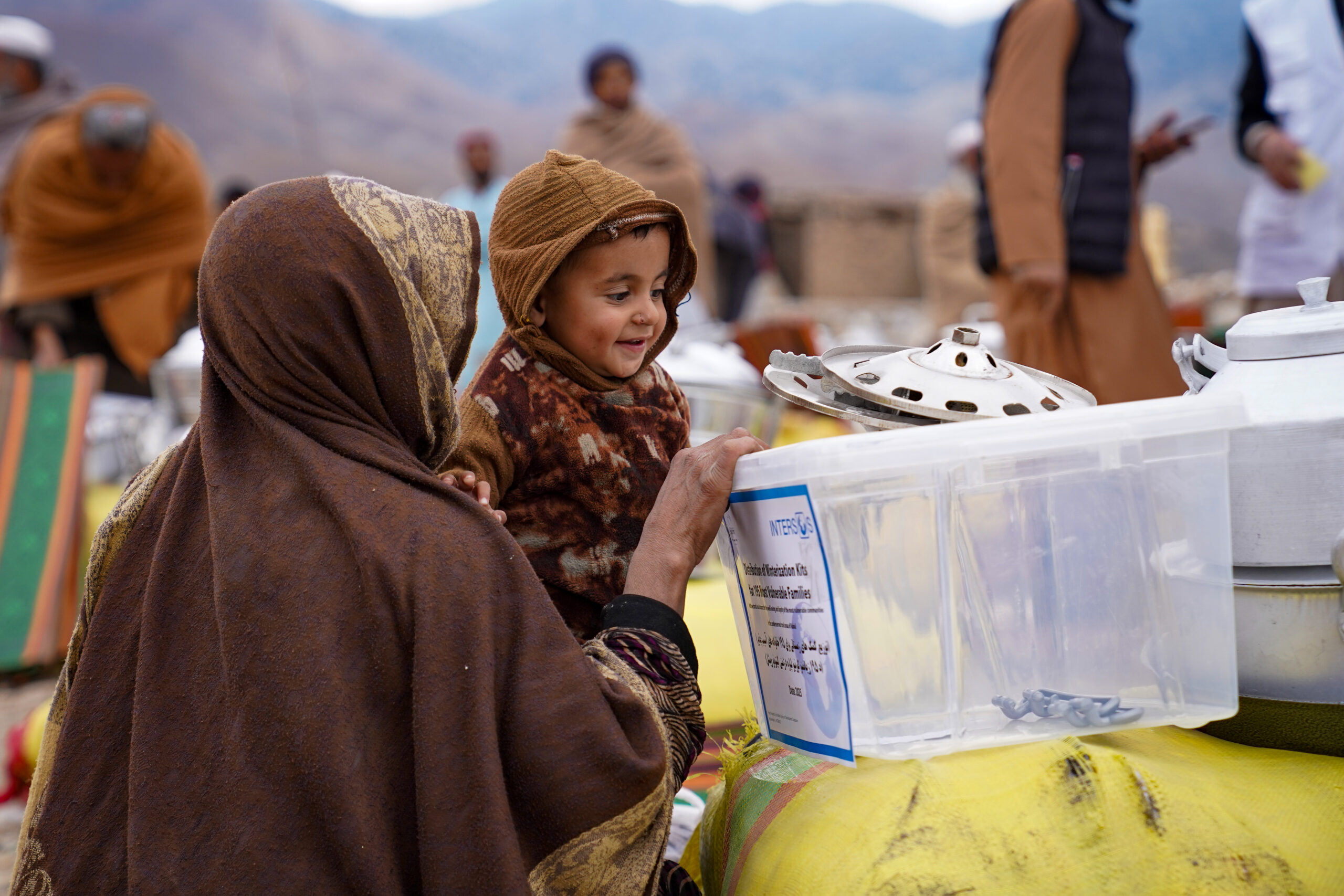
This foundational course on Project Cycle Management introduces participants to the essential tools and strategies for initiating humanitarian projects in emergency contexts. Through a mix of theoretical input and practical exercises, participants explore key concepts such as needs assessment, stakeholder mapping, coordination mechanisms, and the role of the project manager. Case studies and group work guide learners through the development of a project proposal, logframe, budget, and workplan, equipping them with concrete skills to manage the early stages of a humanitarian response effectively and responsibly. The course will be held in a hybrid format, both in person and online. In-person lessons, for those who are able to attend, will take place at the INTERSOS headquarters in Rome, at Via Aniene 26A.
Three good reasons to enroll in this course:
- You will gain a comprehensive understanding of how to initiate a humanitarian project, from needs assessment to proposal writing and planning;
- The course will provide you concrete tools—logframe, budget, workplan—to effectively design and coordinate emergency interventions;
- You will strengthen your ability to work as a project or programme officer in NGOs, UN agencies, and humanitarian settings worldwide.
Programme
TIMETABLE: 14:00-18:00
Introduction to Humanitarian Project Cycle Management
Objective: Understand how to analyse the context and identify needs in emergency situations.
- What is a humanitarian project? (Definitions and key elements)
- Context analysis and needs assessment (tools and real-life examples)
- Stakeholder mapping (donors, institutions, communities)
- Practical exercise: identify needs and actors in a crisis scenario
Guest Session: Protection Needs Assessment
Duration: 1.5 hours
A technical expert or experienced Project Manager will deliver a presentation focused on real-life experiences conducting protection needs assessments in a specific humanitarian context. The session will provide practical insights into tools, challenges, and lessons learned from the field.
TIMETABLE: 10:00-18:00
Coordination and Humanitarian Response Systems
Objective: Learn about local and international response capacities and coordination mechanisms.
- National and international response systems
- The role of institutions, UN agencies, NGOs, civil society
- The Cluster Approach and humanitarian infrastructure
- Case studies: Libya and Italy
- Group exercise: design a basic humanitarian response plan
Guest Session: Humanitarian Coordination in Clusters
Duration: 1.5 hours
A co-coordinator from a relevant humanitarian working group will present a concrete example of inter-agency coordination within the Cluster Approach. The session will explore roles, responsibilities, and strategic decision-making in an emergency setting.
The lesson will be held at INTERSOS HQ, in Via Aniene 26/A in Rome. If you live in a different city and you cannot reach Rome, you can follow the lesson online.
TIMETABLE: 10:00-18:00
Role of the Project Manager and the Project Lifecycle
Objective: Understand the role, responsibilities and key skills of a humanitarian Project Manager.
- What does a PM do in an emergency project?
- Project vs. program, phases of the project cycle
- Key support departments and cross-cutting skills
- Group exercise: identify responsibilities and risks in a project
Guest Session: Insights from a Support Department
Duration: 1.5 hours
A colleague from one of the organization’s support departments (e.g. Communication, Finance, or Logistics) will offer an overview of their role in project implementation. The session aims to highlight the added value of cross-department collaboration.
The lesson will be held at INTERSOS HQ, in Via Aniene 26/A in Rome. If you live in a different city and you cannot reach Rome, you can follow the lesson online.
TIMETABLE: 14:00-18:00
From Ideas to Action – Project Design and Tools
Objective: Practice building a project proposal using core PCM tools.
- Logframe: objectives, indicators, activities
- Budget and workplan: how to structure and plan
- Simulation: build a project proposal from scratch
- Final review and group feedback session
Trainer: Cosimo Verrusio
Cosimo Verrusio holds a degree in North African and Middle Eastern Studies and a Master’s in Project Management and International Cooperation. He has worked with NGOs both abroad and in Italy, focusing on protection and inclusion programs for refugees and asylum seekers. Since 2021, he has served as Project Manager for INTERSOS – Europe Region, coordinating UNHCR-funded projects that support refugee-led associations and volunteer networks in Italy. He is currently part of the Protection Unit for the Europe Region, where he works on tool development, training, and project design.
Trainer: Cosimo Verrusio
Cosimo Verrusio holds a degree in North African and Middle Eastern Studies and a Master’s in Project Management and International Cooperation. He has worked with NGOs both abroad and in Italy, focusing on protection and inclusion programs for refugees and asylum seekers. Since 2021, he has served as Project Manager for INTERSOS – Europe Region, coordinating UNHCR-funded projects that support refugee-led associations and volunteer networks in Italy. He is currently part of the Protection Unit for the Europe Region, where he works on tool development, training, and project design.
PROJECT CYCLE MANAGEMENT
Enrolling in the course will give you access to four hybrid (in-person and online) lessons, video recordings of the lessons, as well as exercises and simulations.